You buy a vibrant red shirt. After three washes, it turns pink. Or your dark jeans stain a white sofa. These everyday frustrations explain why color fastness matters.
Color Fastness Testing measures how well a textile resists color change or dye transfer. It checks washing, light exposure, and rubbing.
For importers and quality control professionals, this testing is a business safeguard. Failures cause customer complaints, costly returns, and chargebacks. Your brand's reputation suffers.
This post explains the main test methods, the factors that influence results, the international standards and grading systems, and how to integrate testing into a pre-shipment inspection strategy.
Key Takeaways
-
Color fastness testing prevents costly returns and protects your brand's reputation.
-
Washing, rubbing, light, and perspiration tests measure how well colors resist fading and transfer.
-
Dye chemistry and finishing processes greatly influence color fastness results.
-
Set clear grade limits with suppliers using ISO or AATCC standards before production.
-
Third-party inspection verifies production samples, not just lab samples, to ensure quality.
Core Color Fastness Testing Methods
Washing and Rubbing Tests
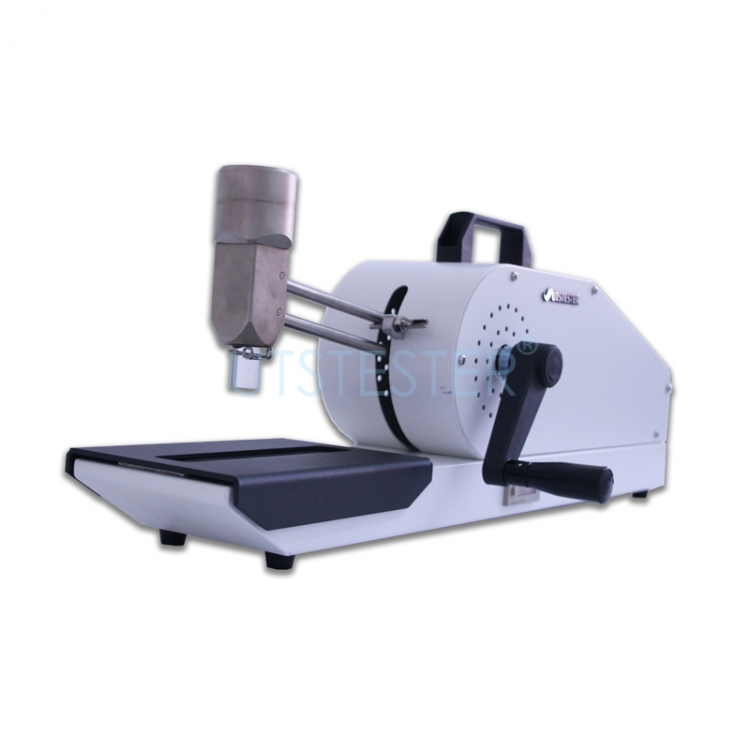
Washing fastness measures how much color fades from a fabric and how much it stains adjacent fabrics during laundering. Laboratories simulate specific conditions such as temperature, detergent type, and cycle duration. They use equipment like the AATCC Washing Colorfastness Testing machine to replicate domestic or commercial laundering. After washing, technicians evaluate both the color change in the sample and the staining of a multifiber adjacent fabric. This adjacent fabric contains strips of different fiber types, so you see exactly which fibers the dye migrates to.
Rubbing fastness, also called crocking, measures color transfer caused by friction. You distinguish between dry and wet rubbing tests. In dry crocking, a dry white cotton cloth rubs against the test fabric. In wet crocking, the white cloth is wetted with distilled water and squeezed to roughly 65% moisture content before rubbing. Both tests use a crockmeter that rubs the cloth back and forth 10 cycles under controlled pressure. Denim and printed fabrics face high abrasion risk, so wet crocking is typically more demanding. Indigo dye concentrates near the yarn surface, which enables fading but also makes surface dye transfer a predictable risk. For denim, a minimum grade of 3-4 is common for dry crocking, while wet crocking may accept grades 2-3 for indigo denim.
Light and Perspiration Tests
Light fastness defines a textile's resistance to fading from sunlight or artificial light. This property is crucial for outdoor gear, curtains, and window displays. Laboratories expose specimens to a xenon arc lamp that simulates natural sunlight, emitting radiation from below 270 nm through the visible spectrum to infrared. Technicians periodically check color changes and compare fading against blue wool standards with known lightfastness rates. The Blue Wool scale runs from 1 to 8, where grade 8 represents no fading and grade 1 indicates near-complete color loss. ISO 105-B02:2014 and AATCC 16.3 are the comparable methods for this test.
Perspiration fastness simulates the effect of human sweat on dyed fabrics. This test is vital for activewear, intimate garments, and children's clothing. It ensures garments maintain appearance and prevents color migration onto skin or other clothing. The test uses acidic and alkaline sweat solutions.
Laboratories apply 12.5 kPa of pressure and hold specimens statically for 4 hours at 37±2°C, simulating body temperature. ISO 105-E04:2013 and AATCC 15 are the key standards. A simple home test with a wet cloth press can give a preliminary indication, but lab testing is definitive. Color Fastness Testing results for perspiration typically require a minimum grade of 3-4 for most markets.
Factors Affecting Color Fastness
Dye and Fiber Chemistry
The chemical bond between dye and fiber is the primary determinant of fastness. Reactive dyes create covalent bonds with cellulosic fibers such as cotton and viscose. This chemical fixation resists washing, rubbing, and light-induced fading. Direct dyes combine with fibers through weaker hydrogen bonding and van der Waals attractions. They are low-cost and easy to use, but have lower fastness. For polyester, disperse dyes penetrate the hydrophobic fiber under high heat, typically around 200°C. The same dye can behave differently depending on the fiber. Disperse dyes on polyester have higher soap-washing fastness than on nylon.
|
Fiber
|
Dye Combination
|
Fastness Mechanism
|
|
Cotton
|
Reactive dyes
|
Covalent bonds with cellulose
|
|
Cotton
|
Vat dyes
|
Locked into fiber after reduction and oxidation
|
|
Wool
|
Acid dyes
|
Bond with positively charged amino groups
|
|
Polyester
|
Disperse dyes
|
Penetrate under high heat
|
|
Nylon
|
Acid dyes
|
Bond with amide groups
|
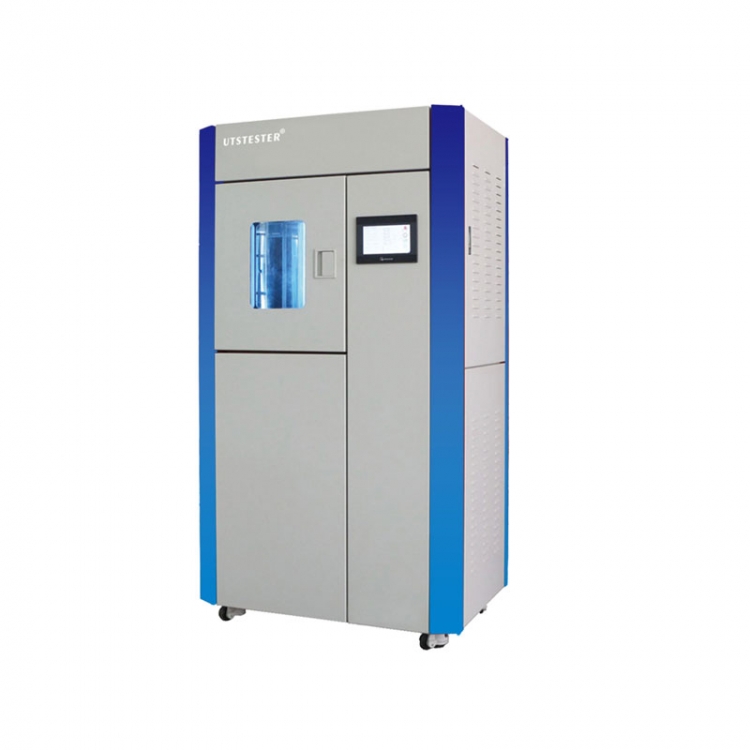
A High Configuration Spectrophotometer measures the exact shade and color change after testing. This instrument helps you verify whether the dye-fiber bond held up.
Manufacturing and Finishing
The dyeing process itself shapes final fastness. Temperature, pH, time, and concentration all affect dye penetration and fixation. Optimizing these parameters produces uniform dye distribution and stronger dye-fiber bonds. Polyester dyed at 130–135°C with reduction clearing after dyeing achieves excellent wash, rub, and perspiration fastness. Cotton requires alkali fixation with controlled conditions. After-treatment matters too. Hot washing, soaping, and neutralization remove unfixed dye and improve fastness.
Post-dyeing finishes can help or hurt. Fixing agents and crosslinking agents stabilize dye molecules within the fiber. However, silicone softeners applied to acid-dyed fabrics may cause color fading through chemical interactions. Excessive softener makes fabric sticky and dulls the color. A Fabric colour assessment cabinet lets you check these effects under controlled lighting. Proper Color Fastness Testing with an AATCC Washing Colorfastness Testing machine confirms whether your finishing process preserved or degraded the color.
Color Fastness Standards and Grading
Key Standards: ISO, AATCC, and ASTM
International standards give you a common language with suppliers. ISO standards serve markets in Europe and Asia. AATCC standards dominate the US market. ASTM also provides relevant textile testing standards. You must specify the exact standard in your purchase order. For washing, ISO 105-C06 covers domestic and commercial laundering with detergent. Related standards include ISO 105-C08 for non-phosphate detergent, ISO 105-C09 for oxidative bleach, and ISO 105-C10 for washing with soap. A typical lab needs an A4 sample and returns results in about three weeks.
The table below shows which ISO method and grading scale apply to each fastness type.
|
Fastness Type
|
ISO Test Method
|
Grading Scale
|
|
Wash fastness
|
ISO 105-C series
|
Grey scales ISO 105-A02 and ISO 105-A03, Grade 1–5
|
|
Light fastness
|
ISO 105-B series
|
Blue Wool Standards L1–L8
|
|
Rubbing fastness
|
ISO 105-X12
|
Grey scale ISO 105-A03, Grade 1–5
|
Interpreting Grades and Setting Limits
The Gray Scale rates color change and staining from 1 to 5. Grade 5 means no visible change. Grade 1 means severe change or staining. Labs also assign half grades such as 4-5 and 3-4 for greater accuracy.
The Gray Scale for Staining uses pairs of white and gray chips. Grade 5 uses two identical white reference chips with reflectance of not less than 85 percent. The Gray Scale for Color Change uses neutral gray chips with a Y tristimulus value of 12 ± 0.2 at Grade 5.
For light fastness, the Blue Wool scale runs from 1 to 8. Outdoor fabrics need higher ratings. Seasonal outdoor goods in temperate markets target a blue wool grade of 4 to 5. Premium outdoor programs require grade 6 to 7, typically achieved with solution-dyed yarns. Grades of 3 or below are unsuitable for outdoor furniture.
Set contractual limits with your supplier before production. For branded apparel, a rating of 4 or higher is the accepted commercial standard. Premium apparel typically requires color change of at least 4 and staining of at least 3–3.5 for wash fastness. Vintage or pigment-dyed styles accept lower grades, often 3–3.5 for color change. Use a Fabric colour assessment cabinet and a High Configuration Spectrophotometer to verify grades under controlled lighting. These tools remove subjective judgment from your Color Fastness Testing approval process.
Color Fastness Testing in Pre-Shipment Inspection
The Role of Third-Party Inspection
Pre-shipment inspection is your final safety net. Lab tests on development samples tell you what a fabric can do. Production samples tell you what your actual goods will do. These are not the same thing. An independent inspection company like UTS International provides unbiased verification. They test production samples, not just lab samples. This ensures the goods you receive meet your specifications.
Inspectors check for visible color variation between units in the same shipment. Shade inconsistency within a lot is a common production issue. They verify color consistency between different production batches when your order spans multiple dye lots. They look for evidence of surface color loss on friction-sensitive fabrics. They also confirm whether care labels correctly reflect the product's actual performance limitations.
Practical indicators of fastness problems include visible crocking on polybag interiors, shade variation between pieces, or color migration in packaging. These signs matter regardless of what the lab report says. The lab tested a sample. The inspector examines the actual goods. Third-party inspectors can also coordinate with accredited testing laboratories for color fastness and other technical tests when required. They help detect color fading early before full-scale production. This reduces costly rework and prevents defective goods from being shipped. Their neutral quality checks follow facts and data, free from factory production pressures. They adhere to international standards such as AQL 2.5/4.0, which global buyers trust. They issue standardized professional reports with photographic evidence recognized worldwide.
Color Shade Check: Color inconsistency is a major defect. Inspectors should compare garments against the approved sample and within the same batch. As per Testcoo's strict guidelines, "No color shade within same pieces is allowed," and specific grey scales are used to determine acceptable levels of variance within a shipment.
Avoiding Supplier Report Pitfalls
Suppliers may provide perfect lab results, but bulk production can differ. This is the lab sample versus production run trap. A report from 18 months ago may not reflect current production if the supplier changed their dye batch, dye supplier, or process. Confirm that reports were issued for the current production season.
Be wary of incomplete reports. Reports should specify that testing was conducted on fabric or finished goods from the current production batch, not on a development sample. If it is not clear what was tested, ask. Check that the standard referenced in the report matches your buyer's requirement. ISO and AATCC methods differ. Some suppliers selectively report the tests they know they pass and omit the ones they do not. If wet crocking is not in the report for a heavily dyed product, ask why. Reports from accredited laboratories (ISO 17025) carry more weight than in-house supplier testing. If the report comes from the factory's own lab, independent verification is worth considering.
Finally, do not accept lower grades for a lower price. The long-term cost of returns and brand damage far outweighs the initial savings. Use a Fabric colour assessment cabinet to verify shade consistency under controlled lighting. A High Configuration Spectrophotometer measures exact color change after testing. An AATCC Washing Colorfastness Testing machine confirms whether production goods match the approved sample. These tools remove subjective judgment from your approval process.
Color Fastness Testing is a fundamental pillar of textile quality. It directly impacts customer satisfaction, brand integrity, and your financial bottom line. Failures trigger returns, complaints, and legal issues.
Understanding the tests, standards, and grades is a strategic business tool. It mitigates risk and builds a reliable supply chain. Use a Fabric colour assessment cabinet to verify shade consistency under controlled lighting.
Incorporate this testing into your quality control process. Partnering with a professional inspection company like UTS International provides the expertise and unbiased oversight you need. A High Configuration Spectrophotometer measures exact color change after testing.
Investing in color fastness testing protects your brand's longevity and reputation. An AATCC Washing Colorfastness Testing machine confirms production goods match your approved sample. This ensures the first impression a customer has of your product is lasting and positive.
FAQ
How long does color fastness testing take?
Most accredited laboratories return results in about three weeks. The timeline depends on the test type and lab workload. Wash, rub, light, and perspiration tests each require separate procedures. Plan ahead and submit samples early to avoid shipment delays.
Can I test color fastness without a laboratory?
You can perform a preliminary check at home. Press a wet white cloth against the fabric and look for dye transfer. This gives a rough indication only. Lab testing remains the definitive method for accurate grading.
Which grade should I require from my supplier?
For branded apparel, a rating of 4 or higher is the accepted commercial standard. Premium apparel typically requires color change of at least 4 and staining of at least 3–3.5 for wash fastness. Vintage styles accept lower grades. Set limits in your contract before production begins.
What tools help verify color fastness results?
A Fabric colour assessment cabinet lets you check shade consistency under controlled lighting. A High Configuration Spectrophotometer measures exact color change after testing. An AATCC Washing Colorfastness Testing machine confirms whether production goods match your approved sample. These tools remove subjective judgment from your approval process.
What if my supplier provides incomplete test reports?
Ask for clarification. Reports should specify the exact standard, test conditions, and production batch. Check that the standard matches your buyer's requirement. ISO and AATCC methods differ. If a key test is missing, request it. Independent verification from an accredited lab carries more weight than in-house supplier testing.


 +86 152 6060 5085
 English
 русский
 español
 português
 العربية
 Polski


 hello@utstesters.com
 hello@utstesters.com
 +86 152 6060 5085
 +8615260605085