The right abrasion and pilling tester matches your lab's primary test methods, expected sample volume, and budget. Modular benchtop models often suit small labs best. A Wyzenbeek Classic Abrasion Tester, for example, fits labs that run upholstery wear tests regularly.
Four comparison axes structure this guide: technical performance, application fit, regulatory compliance, and cost. Each one narrows your options without guesswork.
Your goal is simple. Avoid overbuying without compromising test accuracy. UTS International supplies multiple tester types, so this guide compares every option neutrally and shows where each one fits best.
Key Takeaways
-
List your test standards and sample types first. This step prevents buying a tester that cannot run your most common tests.
-
Match the tester type to your materials and methods. Martindale suits flexible fabrics, Taber fits rigid materials, and Wyzenbeek works for upholstery.
-
Confirm that the tester meets your specific ASTM, ISO, or AATCC standards. Ask for exact standard numbers and calibration certificates.
-
Calculate the total cost, including consumables and maintenance. A cheap machine with slow service can cost more in downtime.
-
Measure your bench space and check usability. A compact tester with clear controls saves time and fits a small lab.
Define Your Testing Needs First
Abrasion vs. Pilling Tests
Abrasion and pilling are different failure modes, and each one demands its own test motion. Abrasion removes material from the fabric surface. Fibers break, fuzz forms, and the cloth thins under repeated rubbing. Pilling works differently. Loose fibers tangle into small balls on the surface, and those balls stay attached to the cloth. A jacket sleeve that looks worn and shiny shows abrasion. A sweater that looks speckled with tiny knots shows pilling.
You may need one function or both. Upholstery fabrics usually face abrasion testing, because seat covers rub against bodies and frames all day. Knitwear and bedding usually face pilling testing, because loose fibers ball up during normal wear and laundering. Some labs serve both markets. In that case, a combined abrasion and pilling tester saves bench space and money compared with two separate machines.
Map Standards and Samples
Before you compare any machine, write down the methods your lab actually runs. Buyers often skip this step, and they end up with a tester that cannot perform their most common test. List your primary ASTM, ISO, and AATCC methods first. Common examples include ASTM D4966 and ISO 12947 for Martindale abrasion, ASTM D4157 for Wyzenbeek abrasion, ASTM D4970 and ISO 12945 for pilling, and AATCC 93 for random tumble pilling. Your accreditation scope or customer contracts will tell you which ones matter most.
Next, list your sample types. Woven, knit, nonwoven, and upholstery fabrics behave differently under the same test head. A Wood Floor Martindale Abrasion Tester, for instance, suits labs that evaluate resilient floor coverings and heavy upholstery rather than lightweight knits. Note the thickness and stiffness of each sample too. Thick upholstery may need a larger specimen holder or a machine with a wider load range.
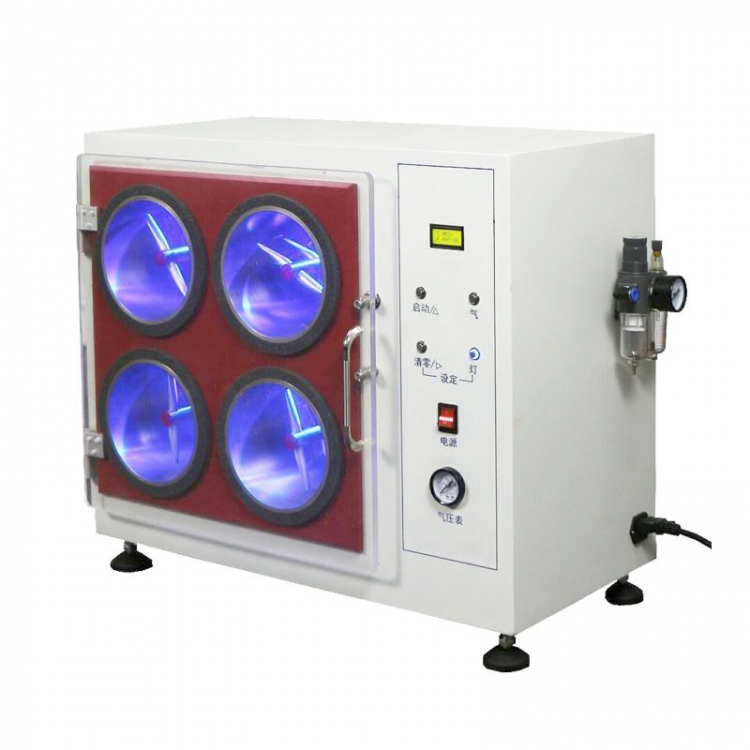
Finally, estimate your sample volume. Count the tests you run in a typical month and the number of specimens per test. High volume favors machines with multiple stations and automated counters. Low volume favors compact models with simple manual operation. A random tumble pilling tester handles several specimens at once in its chambers, which helps labs with steady pilling demand. A Wyzenbeek Classic Abrasion Tester runs abrasion cycles on flexible specimens and fits labs whose standards call for that motion. Match the machine to the method, the material, and the monthly load. This mapping step takes an hour and prevents an expensive mismatch later.
Compare Abrasion and Pilling Tester Types
Abrasion Testers: Martindale, Taber, Wyzenbeek
Each abrasion tester produces a distinct rubbing motion, and that motion decides which standards it can serve. Martindale applies a circular rubbing motion under a controlled load. The specimen moves in widening loops against an abradant, which mimics the wear a fabric sees in seating and apparel use. Labs running ASTM D4966 or ISO 12947 gravitate here. A wood floor martindale abrasion tester extends this platform to resilient floor coverings and heavy upholstery, where thicker specimens and higher loads are routine. Martindale suits soft, flexible materials best.
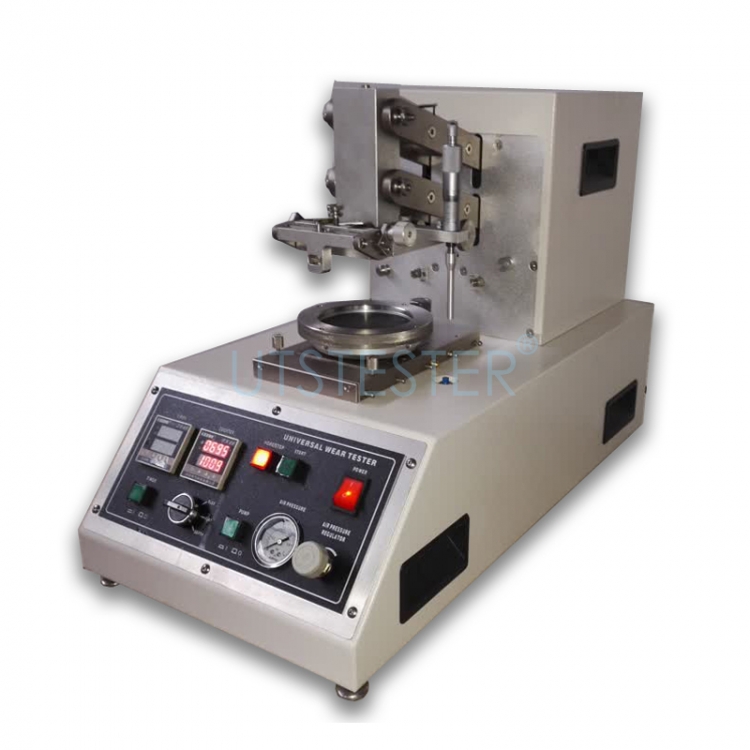
Taber uses a rotary platform with abrasive wheels that press against the sample. The motion is rotational, and the wheels contact the surface at a fixed track. This design fits rigid and semi-rigid materials well, including coated fabrics, plastics, and leather. Taber shines when you need a compact, single-station machine for stiff samples.
Wyzenbeek strokes the specimen back and forth against an abradant in a linear motion. The reciprocating action mirrors the rubbing of a sleeve along an armrest. A Wyzenbeek Classic Abrasion Tester fits upholstery labs whose contracts cite ASTM D4157. The linear stroke also handles high-cycle wear tests on woven furnishing fabrics.
A short comparison table would help here. List motion type, typical standards, best-fit materials, and station count in the columns. Read across the rows to see which machine covers your method list.
Pilling Testers: Box and Random Tumble
Pilling testers differ in how they agitate the fabric. A box pilling tester tumbles specimens inside lined cubes that rotate on a drum. The cube lining and rotation create controlled friction, and the method suits knitted apparel and bedding. ASTM D4970 and ISO 12945 commonly reference this design. Box testers give repeatable, gentle agitation across several specimens at once.
A Random Tumble Pilling Tester places specimens in chambers with a small amount of abrasive cork or cork-lined walls. The chamber rotates and drops the samples in unpredictable motion, which mimics loose tumble wear. This design fits labs that test knitwear and fabrics prone to surface fuzz. The random motion stresses the surface more variably than a box tester, and the method aligns with AATCC 93.
Neither design is superior. Box testers favor standardized, gentle pilling assessment. Random tumble testers favor realistic, chaotic wear simulation. Choose the one your cited standards name, and confirm chamber count against your monthly sample load. A combined abrasion and pilling tester can cover both functions when bench space is tight.
Check Compliance and Cost
Confirm ASTM, ISO, AATCC Alignment
Compliance starts with a paper check. Take your method list and match each standard to the machine's stated capability. Ask the supplier for the exact standard numbers a model supports, not a general claim of "meets international standards." A tester that lists ASTM D4966 and ISO 12947 covers Martindale abrasion. A model that lists ASTM D4157 covers Wyzenbeek abrasion. Confirm the pilling standards too, such as ASTM D4970, ISO 12945, and AATCC 93.
Then verify the details behind each claim. Specimen size, load weights, and stroke length must match the standard's requirements. Ask whether the supplier provides a calibration certificate and a test report from a recognized body. Check that the machine's counter and speed settings fall inside the ranges your methods specify. A Wyzenbeek Classic Abrasion Tester that meets ASTM D4157 gives you a defensible result during an audit. A machine with an unverified claim does not.
Weigh Purchase, Consumables, Maintenance
Purchase price is only the first number. Add the consumables each method requires. Martindale and Wyzenbeek tests need abradant cloth and felt, and you replace these on a fixed cycle. A Wood Floor Martindale Abrasion Tester may call for heavier abradant and different specimen holders, which changes your running cost. A Random Tumble Pilling Tester needs cork liners or abrasive media that wear out with use. Price a year of consumables before you commit.
Maintenance deserves the same scrutiny. Ask about service intervals, spare part availability, and local technician support. A cheap machine with slow service can cost more in downtime than a pricier model with fast support. Compare total cost of ownership across your shortlist, then weigh it against the accuracy each Abrasion and Pilling Tester delivers for your methods.
Small-Lab Practicalities
Footprint, Usability, Throughput
Bench space decides more purchases than buyers expect. Measure your free bench area before you shortlist anything. A benchtop abrasion and pilling tester with a compact frame leaves room for specimen preparation and record keeping. A wyzenbeek classic Abrasion testeroccupies a modest footprint and suits a corner bench in a small lab. Check the clearance you need for loading specimens and for the stroke travel. A machine that fits the bench but blocks the aisle will slow every test you run.
Usability shapes daily throughput. Look for clear controls, simple specimen clamps, and counters you can read at a glance. A Random Tumble Pilling Tester with removable chambers lets you load several specimens quickly and keep the run moving. Confirm that one operator can change abradant or cork liners without tools. Tie each point back to the four axes: technical performance, application fit, compliance, and cost. A machine that saves bench space but cannot hold your standard specimen size fails the application fit test.
Build a Shortlist
Narrow your options to two or three models. Score each one against your method list, your monthly sample volume, your bench measurements, and your budget. A Wood Floor Martindale Abrasion Tester earns a place on the list only if your standards cover floor coverings or heavy upholstery. Add the annual consumable cost and the service terms to each score. This step keeps you from overbuying features your methods never use.
UTS International supplies multiple tester types and can help you compare options against your own checklist. Ask about service intervals and local support before you decide. A shortlist built this way gives you a defensible choice and a clear record of why you made it.
Start with your needs, not the catalog. List your standards and sample types first, then match the tester type to that list. Confirm compliance and total cost next, and finish with footprint, usability, and throughput. This order keeps an Abrasion and Pilling Tester purchase grounded in evidence.
Apply this checklist before you commit: primary standards, monthly sample volume, bench space, budget, annual consumables, and service support. Score each candidate against all six. A Wyzenbeek Classic Abrasion Tester, a Wood Floor Martindale Abrasion Tester, or a Random Tumble Pilling Tester earns a place only when it clears every line. UTS International can help you compare options against that same checklist.
FAQ
Can one machine handle both abrasion and pilling tests?
Sometimes. A combined abrasion and pilling tester covers both functions when your methods allow it. Check that the model lists your specific standards for each function. Separate machines still make sense when your volume is high or your methods demand dedicated motions.
Which tester suits upholstery fabrics?
A Wyzenbeek Classic Abrasion Tester fits upholstery labs whose contracts cite ASTM D4157. Its linear stroke mirrors the rubbing of a sleeve along an armrest. Confirm your method list before you commit, because Martindale-based contracts point to a different platform.
How do I test floor coverings and heavy upholstery?
A Wood Floor Martindale Abrasion Tester extends the Martindale platform to resilient floor coverings and thick specimens. It handles higher loads and heavier abradant than a standard Martindale head. Add it to your shortlist only when your standards cover these materials.
When should I choose a random tumble design for pilling?
Pick a Random Tumble Pilling Tester when your methods cite AATCC 93 or when you need chaotic, realistic wear simulation. Its rotating chambers stress the surface more variably than a box tester. Confirm chamber count against your monthly sample load.
How many stations does a small lab need?
Match station count to your monthly specimen volume. Low volume favors a single-station or compact multi-station model. High volume favors multiple stations and automated counters. Overbuying stations adds cost without improving accuracy for light workloads.


 +86 152 6060 5085

 English
 русский
 español
 português
 العربية
 Polski




 hello@utstesters.com
 hello@utstesters.com
 +86 152 6060 5085
 +8615260605085
